
We analyzed five high-performing brand posts on HackerNoon from early 2026 to understand what actually drives results — from the hook and structure to credibility signals and a tactic you can apply to your next piece.
Instead of repeating familiar formats, these posts make deliberate choices that drive distribution, engagement, and longevity across the platform.
Before diving in, it’s worth understanding what HackerNoon does behind the scenes for brand content, because the writing is only part of the equation.
The Distribution Engine Most Brands Overlook
Publishing on HackerNoon plugs your content into a technical distribution system that works long after the "publish" date. Instead of just hosting an article, brands use HackerNoon to repurpose thought leadership while protecting their SEO via canonical links.
What’s Included:
- 4M+ monthly readers: Global tech audience across engineering, product, and startup verticals
- Domain authority indexing: Strong keyword indexing and organic search visibility through HackerNoon's DA
- Canonical linkbacks: SEO authority and link juice stay with your owned domain, not HackerNoon's
- Audio distribution & Translation: Written stories converted to audio content and translated for additional reach channels
- Social distribution: Content surfaced across HackerNoon's own social channels at publication
- Evergreen syndication: Quality stories keep attracting readers long after the initial publish date
- Topic & tag surfacing: Stories surface to relevant developer and technical communities by tag
- AI & LLM citation value: Technical content surfaced in AI assistants, search engines, and LLM retrieval systems
- Editorial credibility: Publishing in a recognized independent tech publication adds third-party trust
This is why posts on HackerNoon go viral on X and why a compliance guide published in March can still be racking up reads in September. The content quality gets the first wave of attention, the platform sustains it.
With that context in mind, here's what the actual content looked like in the posts that performed.
Learn how HackerNoon can help you get millions of views on X here.
The 5 posts we broke down
1. The Best 9 HR Management Platforms in 2026 by Steve Beyatte

- Performance: 4,897 Reads
- Type: Listicle / Buyer's guide
- Hook: Concrete numbering ("9") and current year ("2026") promise fresh, researched data.
- Structure: Classic buyer's guide - brief context on why HR tooling matters right now, then each platform gets its own mini-profile. Scannable by design.
- Insight density: Medium-high. It's not just a features dump — each entry has an opinionated framing about who each tool is actually for.
- Credibility signals: Author bio frames Steve as a "software nerd and investor in research mode" — positions the guide as an outside evaluation, not a sales pitch.
- What to learn: The opinionated fit framing. Don't just list features — end each item with one sentence that says "this is the right choice if you're [specific situation]." That's what makes listicles shareable.
2. The Best Medical Speech Recognition Software and APIs in 2026 by AssemblyAI
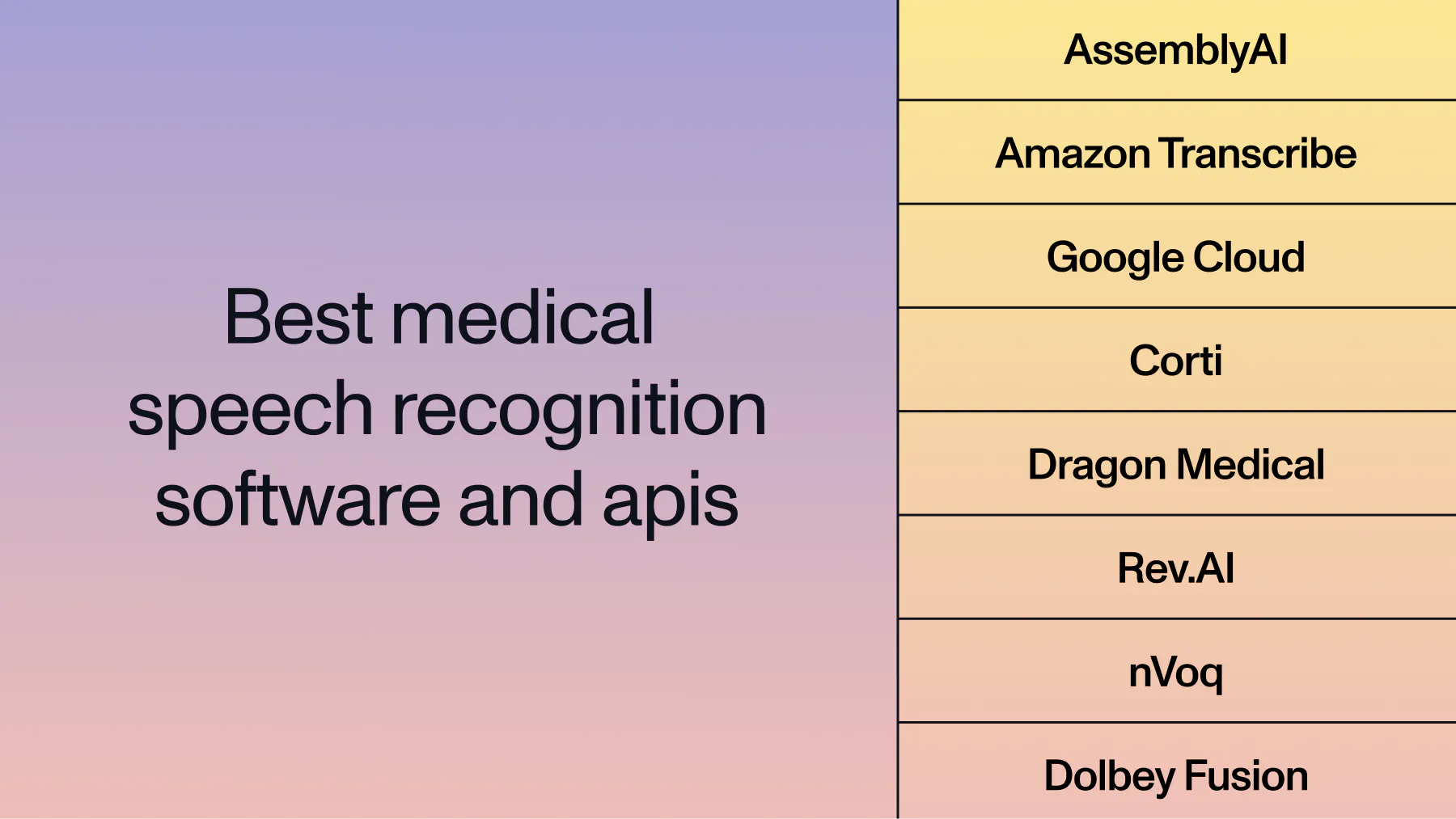
- Performance: 20,765 Reads
- Type: Technical buyer's guide
- Hook: Hyper-specific niche (medical + speech recognition + APIs) in one title. The reader knows in 8 words whether this is for them — that's the hook doing its job.
- Structure: Opens with why medical transcription is uniquely hard (HIPAA, jargon, accents), then segments tools by use case. The problem-first setup is what earns the listicle format.
- Insight density: High. The post reads like a practitioner's shortlist, not a content team's research project.
- Credibility signals: Author is the product. AssemblyAI builds speech AI, so the post carries inherent domain authority.
- What to learn: Problem-first framing before any tool mentions. Spend the first section making the reader feel the pain of the problem. By the time you introduce solutions, they're already sold on needing one.
3. An Actionable CPS 234 Implementation Guide by Vanta
- Performance: 5,764 Reads
- Type: Compliance guide
- Hook: The word "Actionable" in the title is doing heavy lifting. Compliance content is often dense and passive; leading with "actionable" immediately promises the reader a different experience.
- Structure: Breaks a complex regulatory standard into step-by-step implementation moves.
- Insight density: Very high. This is clearly written by someone who has done CPS 234 implementation — it translates regulation-speak into engineering tasks.
- Credibility signals: Vanta's entire brand is compliance automationwhich reinforces the topical authority.
- What to learn: Turn your regulatory or technical knowledge into step-by-step guides, not explainers. The difference: an explainer tells people what a thing is; a guide tells them what to do. The latter always gets more reads.
4. What is Agentic Testing? by QA.tech

- Performance: 5,692 Reads
- Type: Explainer / Category definition
- Hook: Simple "What is X?" framing on a term that's brand new. That formula sounds basic, but it's perfect for category creation — it intercepts readers who just heard the term and need orientation.
- Structure: Definition → why it's different from traditional testing → what it looks like in practice → what tools enable it. A clean logical arc that works even for readers who skim.
- Insight density: Medium-high. It's definitional but not shallow — the post takes a clear position on what agentic testing actually means vs. adjacent buzzwords.
- Credibility signals: QA.tech writes as a practitioner naming a category they actually build.
- What to learn: If your company is building in an emerging space, publish the definitive "What is X?" for your category before anyone else does. Own the definition. Be the search result people find when the term is new and confusing.
5. How to Break Your PostgreSQL IIoT Database and Learn Something in the Process by Tiger Data
- Performance: 5,369 Reads
- Type: Tutorial / Chaos engineering
- Hook: The title "Break your database" goes against every instinct a developer has — it creates enough cognitive tension to force a click. "And learn something in the process" earns the punchline back.
- Structure: Framed as a controlled experiment — set up the IIoT scenario, then deliberately stress-test it, then show what the failures reveal. It's a tutorial disguised as a dare.
- Insight density: Very high. This is hands-on technical content with real commands, real failure modes, and real takeaways.
- Credibility signals: Tiger Data are the creators of TimescaleDB — they literally built the tool they're writing about. That's as credible as it gets.
- What to learn: Subvert the expected tutorial title. Instead of "How to optimize your database," try "How to break it and understand why." Counterintuitive framing paired with genuinely useful content is one of the most reliable formulas on HackerNoon.
The patterns that ran through all of them
- Titles that earn clicks: Be specific or counterintuitive. If your title is generic, rewrite it.
- Practitioner-led: Write from the inside. Expertise is proven through specific, hands-on claims.
- Problem before product: Establish real pain before mentioning solutions. If they don’t feel the problem, they won't buy the fix.
- Skimmable design: Use headers and short sections. If a busy engineer can't grasp your point in 30 seconds, they’re gone.
- One clear thesis: Defend one specific idea. Move from "thoughts on X" to "exactly how to do X."
- Global readiness: Clear, low-jargon structures travel further, enabling translation into 70+ languages.
The checklist before you publish your next HackerNoon post
- Does the title have at least one specific detail (number, year, named outcome)?
- Does your opening paragraph establish a real problem before mentioning any solution?
- Can someone skim the headers and understand the whole argument?
- Does your author bio establish why you specifically are credible on this topic?
- Is there a clear "what to do Monday" takeaway — not just "what to think"?
- If you swapped your brand name out, would the content still be worth reading?
If you answer yes to all six, you've got a post worth publishing. If not, you know exactly where to fix it.